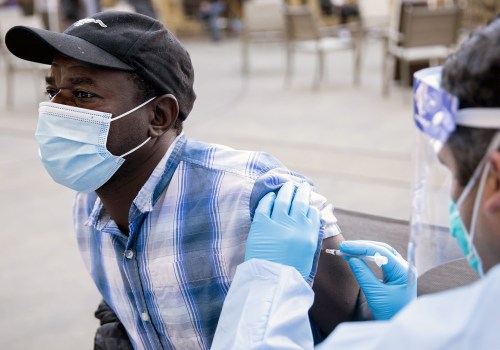
Health disparities among black men in America represent a significant public health challenge that warrants urgent attention. Despite advancements in medical science and healthcare access, black men continue to experience disproportionately high rates of various health issues compared to their white counterparts. This troubling trend is not merely a reflection of individual choices or behaviors; rather, it is deeply rooted in systemic factors such as socioeconomic status, access to quality healthcare, and the pervasive effects of racism and discrimination.Understanding these disparities is crucial for developing effective interventions and policies aimed at improving health outcomes for black men. For instance, conditions such as heart disease, diabetes, and certain types of cancer are alarmingly prevalent within this demographic.
The reasons behind these disparities are multifaceted, encompassing a range of social determinants of health including education, income level, and neighborhood environments. Furthermore, cultural attitudes towards health and wellness can also play a significant role in how black men perceive and engage with healthcare services.As we delve deeper into the specific health problems affecting black men, it becomes evident that addressing these disparities requires a comprehensive approach. This includes not only improving access to healthcare but also fostering community awareness and education about preventive measures. By highlighting the unique challenges faced by black men in the realm of health, we can begin to dismantle the barriers that contribute to these inequities and work towards a healthier future for all.
Cardiovascular Diseases: The Leading Threat
Cardiovascular diseases (CVD) represent a significant health challenge in the United States, particularly among black men.These conditions, which include heart disease and stroke, are not only prevalent but also disproportionately affect this demographic due to a combination of genetic, environmental, and lifestyle factors.
Heart Disease
Heart disease remains the leading cause of death for men in the U. S., with black men facing a higher risk compared to their white counterparts. According to the American Heart Association, black men are 30% more likely to die from heart disease than white men. This disparity can be attributed to several risk factors:
- Hypertension: High blood pressure is particularly common among black men, often due to a combination of genetic predisposition and lifestyle choices.
- Diabetes: The prevalence of type 2 diabetes is higher in black men, which significantly increases the risk of developing heart disease.
- Obesity: Higher rates of obesity among black men contribute to various cardiovascular issues, including heart attacks and strokes.
- Lifestyle Factors: Smoking, poor diet, and lack of physical activity are prevalent issues that exacerbate cardiovascular risks.
Stroke
Stroke is another critical concern for black men, who are twice as likely to suffer from a stroke compared to white men.
The CDC reports that nearly 50% of black men have high blood pressure, a major risk factor for stroke. Additionally, the effects of stroke can be devastating, leading to long-term disability or even death.
Preventive Measures
Addressing these health disparities requires a multifaceted approach:
- Regular Health Screenings: Early detection of hypertension and diabetes can lead to better management and prevention strategies.
- Lifestyle Modifications: Encouraging healthier eating habits, regular exercise, and smoking cessation can significantly reduce risks.
- Community Programs: Engaging local communities in health education initiatives can raise awareness about cardiovascular health and promote preventive care.
Cancer: A Growing Concern
Cancer remains one of the most pressing health issues facing black men in America, with alarming statistics highlighting the disparities in incidence and outcomes. Among various types of cancer, prostate cancer stands out as a significant concern.According to the American Cancer Society, black men are 1.7 times more likely to be diagnosed with prostate cancer compared to their white counterparts. This stark difference underscores the urgent need for awareness and proactive health measures within this demographic.The reasons behind the elevated rates of prostate cancer among black men are multifaceted. Genetic predisposition plays a crucial role, as certain genetic markers associated with aggressive forms of prostate cancer are more prevalent in this population. Additionally, environmental factors, lifestyle choices, and socioeconomic status contribute to these disparities.
For instance, limited access to healthcare services can hinder early detection and treatment options, exacerbating the situation.Risk factors for prostate cancer include age, family history, and race. Black men typically face a higher risk starting at an earlier age than other groups. It is essential for men over 40, especially those with a family history of prostate cancer, to engage in regular screenings. Early detection through methods such as the prostate-specific antigen (PSA) test can significantly improve treatment outcomes.Moreover, lifestyle factors such as diet and physical activity also influence cancer risk.
Diets high in red meat and low in fruits and vegetables have been linked to increased prostate cancer risk. Encouraging healthier eating habits and regular exercise can be vital steps in reducing overall cancer risk.In conclusion, addressing the growing concern of cancer among black men requires a comprehensive approach that includes education on risk factors, promoting early detection through regular screenings, and advocating for equitable access to healthcare resources. By prioritizing these efforts, we can work towards reducing the incidence and improving outcomes for black men facing this formidable health challenge.
Diabetes: Understanding the Epidemic
Diabetes has emerged as a significant health crisis in the United States, particularly among black men. The prevalence of type 2 diabetes in this demographic is alarming, with studies indicating that black men are nearly twice as likely to be diagnosed compared to their white counterparts.This disparity can be attributed to a combination of genetic, environmental, and lifestyle factors.One of the primary causes of type 2 diabetes is obesity, which is more prevalent among black men due to various socio-economic factors. Poor access to healthy foods, combined with high rates of physical inactivity, contributes to weight gain and insulin resistance. Additionally, cultural dietary preferences often include high-calorie, low-nutrient foods that can exacerbate these issues.Complications arising from unmanaged diabetes can be severe and life-altering. Black men with diabetes face higher risks of cardiovascular diseases, kidney failure, and lower limb amputations.
Furthermore, the psychological impact of living with diabetes can lead to increased stress and anxiety, further complicating management efforts.Managing type 2 diabetes effectively requires a multifaceted approach:
- Dietary Changes: Adopting a balanced diet rich in whole grains, fruits, vegetables, and lean proteins can help regulate blood sugar levels. It is crucial for black men to be mindful of portion sizes and limit the intake of sugary beverages and processed foods.
- Regular Physical Activity: Engaging in at least 150 minutes of moderate exercise each week can significantly improve insulin sensitivity and aid in weight management. Activities such as walking, swimming, or cycling are excellent options.
- Monitoring Blood Sugar Levels: Regularly checking blood glucose levels helps individuals understand how their body responds to different foods and activities. This knowledge is vital for making informed decisions about diet and exercise.
- Medication Adherence: For some individuals, lifestyle changes alone may not be sufficient.
It is essential to follow prescribed medication regimens as directed by healthcare providers.
- Regular Check-ups: Routine visits to healthcare professionals for monitoring complications associated with diabetes are crucial. These check-ups can help catch potential issues early on.
Mental Health: Breaking the Stigma
Mental health is a critical aspect of overall well-being, yet it remains a topic shrouded in stigma, particularly among black men. The societal pressures and cultural expectations often lead to a reluctance to discuss mental health issues openly.This silence can exacerbate feelings of isolation and despair, making it essential to address these challenges head-on.Many black men face unique stressors that can significantly impact their mental health. These include:
- Racial Discrimination: Experiencing systemic racism and discrimination can lead to chronic stress, anxiety, and depression.
- Economic Challenges: Financial instability and job insecurity are prevalent issues that contribute to mental health struggles.
- Cultural Expectations: The pressure to conform to traditional notions of masculinity can discourage emotional expression and seeking help.
Mental health professionals can provide valuable support and coping strategies tailored to individual needs.Breaking the stigma surrounding mental health requires collective effort. Here are some steps that can be taken:
- Open Conversations: Encourage discussions about mental health within families and communities to normalize the topic.
- Education: Increase awareness about mental health issues and available resources through community programs and workshops.
- Support Networks: Establish support groups where black men can share their experiences and challenges in a safe environment.
Chronic Respiratory Diseases: An Overlooked Issue
Chronic respiratory diseases, particularly Chronic Obstructive Pulmonary Disease (COPD), represent a significant yet often overlooked health issue, especially among black men. COPD encompasses a group of lung conditions that block airflow and make breathing difficult.The most common forms include emphysema and chronic bronchitis, both of which can severely impact quality of life.
Causes of COPD
- Smoking: The primary cause of COPD is smoking, which is prevalent among black men. According to the CDC, smoking rates are higher in this demographic compared to other groups, leading to increased susceptibility to respiratory diseases.
- Environmental Factors: Exposure to pollutants, such as industrial fumes and secondhand smoke, can exacerbate respiratory issues. Living in urban areas with high levels of air pollution can also contribute to the development of COPD.
- Genetic Factors: Some individuals may have a genetic predisposition to lung diseases, making them more vulnerable to conditions like COPD.
Symptoms of COPD
The symptoms of COPD can vary but typically include:
- Chronic cough that produces mucus
- Shortness of breath, especially during physical activities
- Wheezing or a whistling sound when breathing
- Tightness in the chest
Prevention Strategies
Preventing COPD involves a combination of lifestyle changes and medical interventions:
- Smoking Cessation: The most effective way to prevent COPD is to quit smoking. Numerous resources are available, including counseling and medications that can assist in this process.
- Avoiding Pollutants: Reducing exposure to environmental pollutants can help protect lung health.
This includes using air purifiers at home and wearing masks in polluted areas.
- Regular Health Check-ups: Routine visits to healthcare providers for lung function tests can help catch early signs of respiratory issues before they develop into more serious conditions.
- Healthy Lifestyle Choices: Engaging in regular physical activity and maintaining a balanced diet can improve overall lung health and reduce the risk of developing COPD.
Lifestyle Factors: The Role of Diet and Exercise
The health of black men in America is significantly influenced by lifestyle choices, particularly in the realms of diet and exercise. Understanding the connection between these factors and overall health can empower individuals to make informed decisions that lead to better health outcomes.Dietary Choices
- Emphasize Whole Foods: Incorporating a variety of whole foods such as fruits, vegetables, whole grains, lean proteins, and healthy fats can provide essential nutrients that support overall health. Aim for a colorful plate to ensure a range of vitamins and minerals.
- Limit Processed Foods: Processed foods often contain high levels of sodium, sugar, and unhealthy fats.
Reducing the intake of these foods can help lower the risk of chronic diseases such as hypertension and diabetes.
- Stay Hydrated: Drinking plenty of water is crucial for maintaining bodily functions. Aim for at least 8 glasses a day, and consider reducing sugary drinks that can contribute to weight gain and other health issues.
The Importance of Exercise
- Regular Physical Activity: Engaging in regular exercise can help manage weight, reduce stress, and improve cardiovascular health. Aim for at least 150 minutes of moderate aerobic activity each week, such as brisk walking or cycling.
- Strength Training: Incorporating strength training exercises at least twice a week can enhance muscle mass and metabolism. This is particularly important as muscle mass tends to decrease with age.
- Find Enjoyable Activities: Exercise doesn’t have to be a chore.
Finding activities that are enjoyable—such as dancing, playing sports, or hiking—can make it easier to stay active consistently.
Actionable Tips for Healthy Living
- Set Realistic Goals: Start with small, achievable goals related to diet and exercise. Gradually increase your targets as you build confidence and stamina.
- Create a Support System: Surround yourself with friends or family members who share similar health goals. This support can motivate you to stay on track.
- Monitor Progress: Keep track of your dietary habits and exercise routines. This can help identify patterns and areas for improvement.
These lifestyle changes not only enhance physical well-being but also contribute to mental and emotional health, fostering a holistic approach to living well.
Access to Healthcare: Barriers and Solutions
Access to healthcare is a critical issue that disproportionately affects black men in America. Despite advancements in medical technology and healthcare policies, significant barriers remain that hinder their ability to receive adequate care. Understanding these barriers is essential for developing effective solutions.Barriers to Healthcare Access
- Economic Factors: Many black men face economic challenges that limit their access to healthcare. High unemployment rates and lower average incomes can make it difficult to afford insurance premiums, co-pays, and out-of-pocket expenses.
- Geographic Disparities: Access to healthcare facilities is often limited in predominantly black neighborhoods.
Many areas lack nearby hospitals or clinics, forcing individuals to travel long distances for care, which can be a significant barrier.
- Cultural Competence: A lack of cultural competence among healthcare providers can lead to misunderstandings and mistrust. Black men may feel that their specific health concerns are not taken seriously or understood by providers who do not share or respect their cultural background.
- Health Literacy: Limited health literacy can prevent individuals from understanding their health conditions or the healthcare system itself. This can lead to missed appointments, poor medication adherence, and ultimately worse health outcomes.
- Discrimination: Experiences of racism and discrimination within the healthcare system can deter black men from seeking care. Fear of being treated unfairly can lead to avoidance of medical facilities altogether.
Improving Access: Potential Solutions
- Community Health Initiatives: Establishing community-based health programs that focus on preventive care can help bridge the gap.
These initiatives can provide education, screenings, and resources tailored specifically for black men.
- Telehealth Services: Expanding telehealth options can improve access for those living in remote areas or with transportation issues. Virtual consultations can make it easier for black men to receive timely care without the need for travel.
- Cultural Competency Training: Healthcare providers should undergo training to enhance their understanding of cultural differences and biases. This training can foster better communication and trust between providers and patients.
- Policy Advocacy: Advocating for policies that address economic disparities, such as expanding Medicaid or providing subsidies for low-income individuals, can significantly improve access to healthcare for black men.
- Health Education Programs: Implementing programs that focus on improving health literacy within communities can empower black men to take charge of their health, understand their rights, and navigate the healthcare system more effectively.
Community Support and Resources Available
Addressing health concerns among black men requires a multifaceted approach, and community support plays a crucial role in this endeavor.Various resources and initiatives are available to help black men navigate their health challenges effectively.
Support Groups
- Men’s Health Network: This organization offers support groups specifically tailored for men, focusing on issues such as prostate health, mental well-being, and lifestyle changes. They provide a safe space for black men to share experiences and seek advice.
- Black Men’s Health Initiative: This initiative aims to raise awareness about health disparities affecting black men. Through workshops and peer-led discussions, participants can learn about preventive care and healthy living.
- Local Faith-Based Organizations: Many churches and community centers host support groups that address health issues within the black community. These groups often combine spiritual guidance with practical health education.
Local Initiatives
- Health Fairs: Community health fairs often provide free screenings, educational materials, and resources tailored to the needs of black men.
These events are excellent opportunities for individuals to learn about their health status and connect with local healthcare providers.
- Fitness Programs: Local gyms and community centers frequently offer fitness programs designed for black men, promoting physical activity as a means to combat chronic diseases. These programs often include group workouts, nutrition workshops, and wellness challenges.
- Mental Health Resources: Organizations like the Black Emotional and Mental Health Collective (BEAM) focus on mental health awareness in the black community. They provide resources, workshops, and counseling services aimed at reducing stigma and promoting mental wellness.
It is essential for black men to seek out these resources and participate actively in their health journeys.
<strong>Conclusion</strong>: Key Takeaways on Black Men's Health Issues
In summary, the health challenges faced by black men in America are multifaceted and deeply rooted in a combination of genetic, environmental, and socio-economic factors. Understanding these issues is crucial for developing effective strategies to improve health outcomes within this demographic.Key Takeaways:
- Heart Disease: Black men are at a higher risk for heart disease compared to other racial groups. Factors such as hypertension, diabetes, and lifestyle choices contribute significantly to this risk. Regular screenings and lifestyle modifications can help mitigate these risks.
- Cancer Disparities: Prostate cancer is particularly prevalent among black men, with a higher incidence and mortality rate.
Awareness and early detection through regular screenings are vital for improving survival rates.
- Mental Health: Mental health issues often go unaddressed in black men due to stigma and lack of access to mental health resources. Promoting open discussions about mental health can encourage more individuals to seek help.
- Diabetes Management: The prevalence of type 2 diabetes is alarmingly high among black men. Education on diet, exercise, and regular monitoring of blood sugar levels can play a significant role in managing this condition.
- Access to Healthcare: Socio-economic barriers often limit access to quality healthcare for black men. Advocacy for equitable healthcare policies is essential to ensure that all individuals receive the care they need.
By prioritizing health awareness and preventive measures, we can work towards reducing the disparities faced by black men in America.