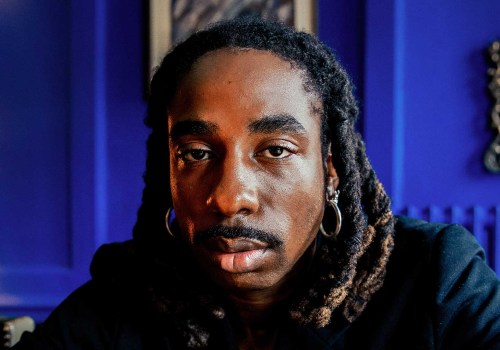
Mental health is a critical component of overall well-being, yet it remains a topic shrouded in stigma, particularly within the black community. For black men, the challenges surrounding mental health are often compounded by societal pressures, cultural expectations, and systemic barriers. These factors can create a unique landscape where mental health issues are not only prevalent but also frequently overlooked or dismissed. Understanding the importance of mental health in this demographic is essential for fostering awareness and encouraging open dialogue.Black men face a myriad of stressors that can significantly impact their mental health.
From racial discrimination and economic disparities to the pressures of conforming to traditional notions of masculinity, these challenges can lead to feelings of isolation and hopelessness. Moreover, the historical context of trauma within the black community adds another layer of complexity to mental health issues. Many black men may feel reluctant to seek help due to fears of being perceived as weak or vulnerable, which can exacerbate their struggles.Raising awareness about mental health issues among black men is crucial for breaking down these barriers. It is vital to create safe spaces where they can express their feelings and experiences without judgment.
By promoting understanding and acceptance, we can encourage more individuals to seek help and access the resources they need. This article aims to delve deeper into the top three mental health issues affecting black men today, providing insights and strategies for managing these conditions effectively.
Anxiety Disorders: A Common Challenge
Anxiety disorders represent a significant mental health challenge, particularly amongAnxiety disorders represent a significant mental health challenge, particularly among black men, who often face unique stressors that can exacerbate these conditions. The prevalence of anxiety disorders in this demographic is concerning, as societal pressures, racial discrimination, and economic disparities contribute to heightened levels of anxiety.Common symptoms of anxiety disorders can vary widely but typically include:- Excessive Worry: Persistent and uncontrollable worry about various aspects of life, including work, health, and relationships.
- Physical Symptoms: These may manifest as increased heart rate, sweating, trembling, fatigue, and muscle tension.
- Restlessness: A feeling of being on edge or unable to relax.
- Difficulty Concentrating: Trouble focusing on tasks or making decisions due to overwhelming feelings of anxiety.
- Panic Attacks: Sudden episodes of intense fear that trigger severe physical reactions when there is no real danger.
Options include:
- Cognitive Behavioral Therapy (CBT): A structured approach that helps individuals identify and change negative thought patterns and behaviors associated with anxiety.
- Medication: Antidepressants and anti-anxiety medications can help manage symptoms effectively when prescribed by a healthcare professional.
- Lifestyle Changes: Incorporating regular physical activity, a balanced diet, and mindfulness practices such as meditation or yoga can significantly reduce anxiety levels.
Understanding Depression: More Than Just Sadness
Depression is a complex and multifaceted mental health issue that significantly impacts the lives of many individuals, particularly black men. While it is often perceived as merely feeling sad or down, depression encompasses a range of emotional, cognitive, and physical symptoms that can severely disrupt daily functioning.For black men, the experience of depression can be compounded by societal factors such as systemic racism, economic disparities, and cultural stigma surrounding mental health.These challenges can create barriers to recognizing and addressing depressive symptoms. Understanding the signs of depression is crucial for early intervention and effective treatment.
Signs of Depression
- Persistent Sadness: A continuous feeling of sadness or emptiness that lasts for weeks or months.
- Loss of Interest: A marked decrease in interest or pleasure in activities once enjoyed, including hobbies, socializing, or work.
- Changes in Sleep Patterns: Insomnia or excessive sleeping can be common indicators of depression.
- Fatigue: A constant feeling of tiredness or lack of energy that does not improve with rest.
- Difficulty Concentrating: Trouble focusing on tasks or making decisions can be a significant symptom.
- Feelings of Worthlessness: Persistent negative thoughts about oneself, often accompanied by guilt or shame.
- Physical Symptoms: Unexplained aches and pains, headaches, or digestive issues that do not have a clear medical cause.
This stigma can exacerbate feelings of isolation and hopelessness.
Coping Strategies for Depression
Fortunately, there are effective coping strategies and treatment options available for those struggling with depression. Here are some approaches that can help:- Therapy: Engaging in therapy with a mental health professional can provide a safe space to explore feelings and develop coping mechanisms. Cognitive-behavioral therapy (CBT) is particularly effective for treating depression.
- Medication: Antidepressants may be prescribed to help manage symptoms. It is essential to consult with a healthcare provider to find the right medication and dosage.
- Support Groups: Connecting with others who share similar experiences can reduce feelings of isolation.
Support groups provide a platform for sharing stories and coping strategies.
- Lifestyle Changes: Regular physical activity, a balanced diet, and adequate sleep can significantly improve mood and overall well-being.
- Meditation and Mindfulness: Practices such as meditation, yoga, or deep-breathing exercises can help reduce stress and promote emotional balance.
Post-Traumatic Stress Disorder (PTSD): The Hidden Struggle
Post-Traumatic Stress Disorder (PTSD) is a mental health condition that can develop after an individual experiences or witnesses a traumatic event. While PTSD is often associated with military veterans, it is crucial to recognize that it affects many individuals, including black men, who may face unique challenges and experiences that contribute to the development of this disorder.Understanding PTSD in Black Men
For black men, the causes of PTSD can be multifaceted. They may include exposure to violence, systemic racism, and socioeconomic hardships.
The cumulative effect of these stressors can lead to significant psychological trauma. For instance, witnessing or experiencing violence in their communities can create a pervasive sense of fear and helplessness. Additionally, the historical context of racial discrimination and its ongoing impact can exacerbate feelings of anxiety and depression.
Common Symptoms
The symptoms of PTSD can vary widely but often include:
- Intrusive thoughts or memories related to the traumatic event
- Avoidance of reminders associated with the trauma
- Negative changes in mood and cognition, such as feelings of hopelessness or detachment
- Heightened arousal symptoms, including irritability, difficulty sleeping, and hypervigilance
Treatment Options for PTSD
Fortunately, there are effective treatment options available for those struggling with PTSD.
These may include:
- Cognitive Behavioral Therapy (CBT): This evidence-based approach helps individuals process their trauma and develop coping strategies.
- Eye Movement Desensitization and Reprocessing (EMDR): EMDR is particularly effective for trauma survivors, allowing them to reprocess traumatic memories.
- Medication: Antidepressants and anti-anxiety medications can help alleviate symptoms for some individuals.
- Support Groups: Connecting with others who have similar experiences can provide a sense of community and understanding.
The Intersection of Culture and Mental Health
The relationship between culture and mental health is complex, particularly within the context of black men’s health. Cultural factors significantly shape how mental health issues are perceived, discussed, and treated in various communities. For many black men, societal expectations and cultural norms can create barriers to seeking help for mental health concerns.One of the most pressing issues is the stigma surrounding mental health in black communities.This stigma often stems from historical experiences of discrimination and marginalization, leading to a reluctance to discuss mental health openly. Many black men may feel that admitting to mental health struggles could be perceived as a sign of weakness or vulnerability, which contradicts traditional notions of masculinity. As a result, they may choose to suffer in silence rather than seek the support they need.Moreover, cultural beliefs can influence how symptoms are interpreted. For instance, emotional distress may be expressed through physical symptoms or behavioral changes rather than through verbal communication about feelings.
This can lead to misdiagnosis or inadequate treatment if healthcare providers do not recognize these cultural expressions of distress.To effectively address these challenges, it is essential for mental health professionals to practice cultural competence. This involves understanding and respecting the cultural backgrounds of their clients and recognizing how these backgrounds influence their perceptions of mental health. Culturally competent care includes:
- Active Listening: Taking the time to understand clients' unique experiences and perspectives.
- Tailored Interventions: Developing treatment plans that consider cultural values and beliefs.
- Community Engagement: Collaborating with community leaders and organizations to foster trust and encourage open discussions about mental health.
By acknowledging the impact of stigma and emphasizing culturally competent care, we can pave the way for more inclusive and effective mental health support systems.
Seeking Help: Overcoming Barriers to Treatment
For many black men, seeking help for mental health issues can be a daunting task. Cultural stigma, lack of access to resources, and historical mistrust of the healthcare system often create significant barriers. Understanding these challenges is the first step toward overcoming them and achieving better mental health.Cultural Stigma
In many communities, mental health issues are often viewed as a sign of weakness. This stigma can discourage black men from acknowledging their struggles or seeking help.
It is essential to challenge these perceptions by promoting open conversations about mental health. Engaging in community discussions, workshops, or support groups can help normalize the conversation around mental health and encourage individuals to seek assistance.
Lack of Access to Resources
Access to mental health resources is another significant barrier. Many black men may live in areas with limited access to mental health professionals or services. To combat this, it is crucial to explore various options:
- Teletherapy: Online therapy platforms can provide access to licensed therapists from the comfort of home.
- Community Health Centers: These centers often offer affordable mental health services and can be a valuable resource.
- Support Groups: Local organizations may host support groups specifically for black men, providing a safe space to share experiences and seek guidance.
Historical Mistrust
The historical context of healthcare disparities has led to a deep-seated mistrust among many black men.
This mistrust can hinder their willingness to seek help. Building trust requires transparency and understanding from healthcare providers. It is vital for professionals to acknowledge this history and work towards creating an inclusive environment where patients feel safe and respected.
Practical Steps to Seek Help
If you or someone you know is struggling with mental health issues, consider the following steps:
- Educate Yourself: Understanding mental health conditions can empower individuals to seek help.
- Reach Out: Talk to trusted friends or family members about your feelings; they may provide support or encouragement.
- Consult Professionals: Don’t hesitate to contact a therapist or counselor who specializes in working with black men.
- Create a Support Network: Surround yourself with people who understand your journey and can offer encouragement.
Conclusion: Moving Towards Better Mental Health for Black Men
As we conclude our exploration of mental health issues affecting black men, it is essential to recognize the profound impact that awareness, support, and proactive measures can have on improving mental health outcomes.Throughout this article, we have delved into the unique challenges faced by black men in relation to mental health, including societal stigma, cultural barriers, and the underrepresentation of their experiences in mainstream mental health discussions.Addressing these issues requires a multifaceted approach:
- Mental Health Awareness: Increasing awareness about mental health within the black community is crucial. Educational initiatives that focus on the signs and symptoms of mental health disorders can empower individuals to seek help early. Community workshops, social media campaigns, and partnerships with local organizations can play a significant role in spreading knowledge.
- Support Systems: Establishing strong support networks is vital for black men. This includes fostering open conversations about mental health among family and friends, as well as creating safe spaces where individuals can share their experiences without fear of judgment.
Support groups specifically tailored for black men can provide a sense of belonging and understanding.
- Access to Resources: Improving access to mental health resources is essential. This involves advocating for more culturally competent therapists and counselors who understand the unique experiences of black men. Additionally, increasing funding for mental health services in underserved communities can help bridge the gap in care.
- Encouraging Professional Help: It is important to normalize seeking professional help. Black men should be encouraged to view therapy as a strength rather than a weakness.
Highlighting success stories of individuals who have benefited from therapy can inspire others to take that step.