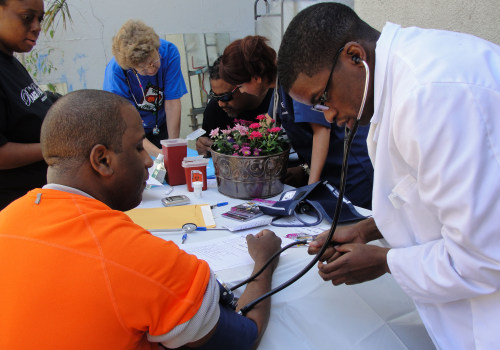
Men's health is a multifaceted topic that encompasses a wide range of issues, from physical ailments to mental well-being. Among the various demographics, black men face unique health challenges that are often overlooked in broader discussions about men's health. Understanding these specific concerns is crucial for fostering awareness and encouraging proactive management of health issues that disproportionately affect this group. Research indicates that black men are at a higher risk for several serious health conditions, including hypertension, diabetes, and certain types of cancer. These disparities can be attributed to a combination of genetic factors, socioeconomic status, and access to healthcare.
Moreover, cultural attitudes towards health and wellness can further complicate the situation, leading to a reluctance to seek medical help or engage in preventive care. As we delve deeper into the various health concerns facing men today, it is essential to highlight the importance of early detection and intervention. Regular check-ups and screenings can significantly improve outcomes for conditions that may otherwise go unnoticed until they reach advanced stages. By prioritizing health education and awareness, we can empower black men to take charge of their health and make informed decisions that lead to better overall well-being. This article aims to shed light on the most pressing health issues for men, with a particular focus on the unique challenges faced by black men. By exploring these topics in depth, we hope to provide valuable insights that will encourage proactive measures and foster a healthier future for all men.
Cardiovascular Health Risks
Cardiovascular disease is a significant health concern, particularly among black men, who face a higher prevalence of heart-related issues compared to other demographics.Understanding the risk factors, statistics, and prevention strategies is crucial for managing heart health effectively.
Risk Factors
- Hypertension: High blood pressure is one of the leading risk factors for cardiovascular disease. Black men are more likely to develop hypertension at an earlier age and with greater severity than their white counterparts.
- Diabetes: The incidence of diabetes is also higher among black men, which can lead to increased risks of heart disease.
- Obesity: Excess weight contributes to various cardiovascular issues, including hypertension and diabetes. Lifestyle choices, such as diet and physical activity levels, play a significant role in obesity rates.
- Genetics: Family history can influence the likelihood of developing heart disease. Genetic predispositions may make black men more susceptible to certain cardiovascular conditions.
- Lifestyle Factors: Smoking, excessive alcohol consumption, and a sedentary lifestyle further exacerbate the risk of cardiovascular diseases.
Statistics
The statistics surrounding cardiovascular health in black men are alarming.
According to the American Heart Association, black men are 30% more likely to die from heart disease than white men. Additionally, nearly 50% of black men over the age of 20 have some form of cardiovascular disease. These figures highlight the urgent need for awareness and proactive health measures.
Prevention Strategies
Preventing cardiovascular disease requires a multifaceted approach:
- Regular Check-Ups: Routine medical examinations can help detect early signs of hypertension and other risk factors. It is essential for black men to schedule regular visits with healthcare providers.
- Healthy Diet: A balanced diet rich in fruits, vegetables, whole grains, and lean proteins can significantly reduce the risk of heart disease.
Limiting sodium intake is particularly important for managing blood pressure.
- Physical Activity: Engaging in regular exercise can help maintain a healthy weight and lower blood pressure. Aim for at least 150 minutes of moderate aerobic activity each week.
- Avoiding Tobacco: Quitting smoking is one of the most effective ways to improve heart health. Support groups and cessation programs can provide assistance.
Diabetes: A Growing Concern
Diabetes is increasingly recognized as a significant health issue, particularly among black men. The prevalence of diabetes in this demographic is alarming, with studies indicating that black men are nearly twice as likely to be diagnosed with diabetes compared to their white counterparts.This disparity can be attributed to a combination of genetic, environmental, and lifestyle factors.
Understanding Diabetes
Diabetes occurs when the body cannot effectively regulate blood sugar levels. There are two primary types: Type 1 diabetes, which is often diagnosed in childhood and involves the body not producing insulin, and Type 2 diabetes, which is more common and typically develops in adulthood. Type 2 diabetes is particularly concerning for black men due to its strong association with obesity, sedentary lifestyles, and poor dietary habits.
Causes and Risk Factors
- Genetics: Family history plays a crucial role in the likelihood of developing diabetes. Black men with a family history of diabetes are at a heightened risk.
- Obesity: Excess body weight, especially around the abdomen, significantly increases the risk of Type 2 diabetes. Excess body weight, especially around the abdomen, significantly increases the risk of Type 2 diabetes.
- Lifestyle Choices: Sedentary behavior and poor dietary choices contribute to the development of insulin resistance.
- Socioeconomic Factors: Access to healthcare and healthy food options can be limited in some communities, exacerbating health disparities.
Symptoms to Watch For
Recognizing the symptoms of diabetes early can lead to better management and outcomes.
Common symptoms include:
- Increased thirst and frequent urination
- Extreme fatigue
- Blurred vision
- Sores that heal slowly
- Unexplained weight loss
Blood Sugar Management Strategies
Effective management of blood sugar levels is crucial for those diagnosed with diabetes. Here are some strategies that can help:
- Regular Monitoring: Keeping track of blood sugar levels helps in understanding how food, activity, and stress affect your body.
- Healthy Eating: A balanced diet rich in whole grains, fruits, vegetables, lean proteins, and healthy fats can help maintain stable blood sugar levels.
- Physical Activity: Engaging in regular exercise can improve insulin sensitivity and aid in weight management.
- Medication Adherence: If prescribed medication or insulin therapy, it’s vital to follow your healthcare provider's instructions closely.
Prevention is Key
The good news is that many cases of Type 2 diabetes can be prevented through lifestyle changes. Here are some effective prevention strategies:
- Maintain a Healthy Weight: Achieving and maintaining a healthy weight can significantly reduce the risk of developing diabetes.
- Avoid Sugary Beverages: Reducing consumption of sugary drinks can help lower overall calorie intake and prevent spikes in blood sugar levels.
- Stay Active: Aim for at least 150 minutes of moderate aerobic activity each week.
- Regular Check-ups: Routine health screenings can help identify prediabetes or other risk factors early on.
Mental Health Awareness
Mental health is a critical yet often overlooked aspect of overall well-being, particularly among black men.Cultural stigma surrounding mental health issues can prevent individuals from seeking help, leading to a cycle of untreated conditions that can severely impact quality of life. Understanding the unique challenges faced by black men in this context is essential for fostering a supportive environment.
Stigma and Its Impact
Many black men face societal pressures that discourage open discussions about mental health. The stereotype of the "strong black man" often leads to the belief that expressing vulnerability is a sign of weakness. This stigma can result in feelings of isolation and shame, making it difficult for individuals to acknowledge their struggles or seek help.
Common Mental Health Issues
Black men are at risk for various mental health issues, including:
- Depression: Symptoms may include persistent sadness, loss of interest in activities, and changes in sleep or appetite.
- Anxiety: This can manifest as excessive worry, restlessness, or physical symptoms like increased heart rate.
- Post-Traumatic Stress Disorder (PTSD): Experiences of violence or discrimination can lead to PTSD, characterized by flashbacks, avoidance behaviors, and heightened arousal.
Recognizing Signs of Depression
It is crucial for black men to recognize the signs of depression early.
Common indicators include:
- Feeling hopeless or helpless
- Withdrawal from friends and family
- Difficulty concentrating or making decisions
- Increased irritability or anger
- Thoughts of self-harm or suicide
Resources for Support
Fortunately, there are numerous resources available for black men seeking mental health support:
- National Alliance on Mental Illness (NAMI): Offers education and support for individuals and families affected by mental illness.
- Black Mental Health Alliance: Provides resources specifically tailored to the needs of black individuals.
- Psychology Today: A directory to find therapists who specialize in various issues, including those affecting black men.
Cancer Risks: Prostate and Testicular Cancer
Prostate and testicular cancers are significant health concerns for men, particularly for black men, who face higher risks and unique challenges regarding these diseases. Understanding the specific risks, symptoms, and the importance of early detection can empower individuals to take proactive steps in managing their health.Prostate Cancer in Black Men
Prostate cancer is the most prevalent cancer among men, and studies indicate that black men are disproportionately affected.They are not only more likely to develop prostate cancer but also tend to experience more aggressive forms of the disease. According to the American Cancer Society, black men are 1.7 times more likely to die from prostate cancer compared to their white counterparts.Several factors contribute to this increased risk, including genetics, lifestyle choices, and access to healthcare. It is crucial for black men to be aware of their family history regarding prostate cancer, as having a relative with the disease can significantly elevate one’s risk.
Symptoms and Early Detection
Early-stage prostate cancer often presents no symptoms, which is why regular screenings are vital. However, as the disease progresses, symptoms may include:- Frequent urination, especially at night
- Difficulty starting or stopping urination
- Painful urination or ejaculation
- Blood in urine or semen
- Persistent pain in the back, hips, or pelvis
The screening typically involves a prostate-specific antigen (PSA) blood test and a digital rectal exam (DRE).
Testicular Cancer Awareness
While less common than prostate cancer, testicular cancer is the most prevalent cancer among young men aged 15 to 35. Awareness of this condition is essential for early detection and successful treatment. The most common sign of testicular cancer is a painless lump in one of the testicles. Other symptoms may include:- A feeling of heaviness in the scrotum
- A dull ache in the lower abdomen or groin
- Enlargement or tenderness of the breasts
The Importance of Regular Screenings
Both prostate and testicular cancers can be effectively treated when detected early.Regular screenings and self-exams are critical components of a proactive health strategy for men, especially those at higher risk like black men. By staying informed about their health and seeking medical advice promptly when symptoms arise, men can significantly improve their chances of successful treatment.
Skin Health: Understanding Risks and Prevention
Skin health is a critical aspect of overall well-being, particularly for black men, who may face unique challenges and risks. While it is a common misconception that darker skin is immune to skin cancer, studies indicate that black men are still at risk, particularly for certain types of skin cancer such as , who may face unique challenges and risks. While it is a common misconception that darker skin is immune to skin cancer, studies indicate that black men are still at risk, particularly for certain types of skin cancer such as melanoma. Understanding these risks and taking proactive measures can significantly enhance skin health.Skin Cancer Risks in Black Men
Black men often have higher levels of melanin, which provides some natural protection against UV radiation.
However, this does not eliminate the risk of skin cancer. In fact, when diagnosed, black men tend to have more advanced stages of the disease, leading to poorer outcomes. Factors contributing to this include:
- Delayed Diagnosis: Many black men may not recognize the signs of skin cancer or may not seek medical attention promptly.
- Location of Lesions: Skin cancers in black men often appear on areas that are less exposed to sunlight, such as the palms, soles, and under nails, making them harder to detect.
- Genetic Factors: Certain genetic predispositions can increase susceptibility to skin conditions.
Skin Care Tips for Black Men
To maintain healthy skin and reduce the risk of skin cancer, black men should adopt a comprehensive skincare routine. Here are some essential tips:
- Moisturize Regularly: Use a good moisturizer to keep the skin hydrated and prevent dryness, which can lead to irritation and other skin issues.
- Sunscreen is Essential: Apply a broad-spectrum sunscreen with at least SPF 30 daily, even on cloudy days.
This helps protect against harmful UV rays.
- Regular Examinations: Schedule annual dermatological check-ups to monitor any changes in your skin. Early detection is key in managing potential issues.
- Avoid Harsh Products: Choose gentle cleansers and avoid products with alcohol or strong fragrances that can irritate the skin.
- Stay Hydrated: Drink plenty of water to keep your skin hydrated from the inside out.
Dermatology Advice
If you notice any unusual changes in your skin, such as new moles or changes in existing moles, it is crucial to consult a dermatologist immediately. Regular self-examinations can help you become familiar with your skin's normal appearance, making it easier to spot any concerning changes.In conclusion, while black men may face specific challenges regarding skin health and cancer risks, awareness and proactive care can significantly improve outcomes. By adopting effective skincare practices and seeking regular dermatological advice, you can protect your skin and enhance your overall health.
Sexual Health: Addressing Erectile Dysfunction and More
Sexual health is a critical aspect of overall well-being, yet it often remains a taboo topic, particularly among black men.One of the most prevalent issues affecting this demographic is erectile dysfunction (ED). Understanding the causes, treatment options, and the importance of open dialogue about sexual health can empower men to seek help and improve their quality of life.
Erectile Dysfunction in Black Men
Erectile dysfunction is defined as the inability to achieve or maintain an erection sufficient for satisfactory sexual performance. While it can affect men of all ages, studies indicate that black men may experience ED at higher rates compared to other racial groups. Factors contributing to this disparity include:
- Chronic Health Conditions: Conditions such as diabetes, hypertension, and heart disease are more prevalent in black men, significantly increasing the risk of ED.
- Psychological Factors: Stress, anxiety, and depression can also play a role.
Cultural stigma surrounding mental health may prevent many from seeking necessary support.
- Lifestyle Choices: Smoking, excessive alcohol consumption, and lack of physical activity can exacerbate erectile dysfunction.
Treatment Options
Fortunately, there are various treatment options available for those experiencing ED. These include:
- Lifestyle Modifications: Adopting a healthier lifestyle through regular exercise, a balanced diet, and quitting smoking can significantly improve erectile function.
- Medications: Oral medications such as Viagra or Cialis are commonly prescribed and can be effective in treating ED.
- Counseling: For those whose ED is linked to psychological factors, therapy or counseling can provide valuable support and coping strategies.
- Medical Devices: Vacuum erection devices or penile implants may be recommended for severe cases.
The Importance of Sexual Health Education
Open conversations about sexual health are essential for breaking down barriers and reducing stigma. Education plays a vital role in empowering men to understand their bodies and seek help when needed. Community outreach programs that focus on sexual health education can provide valuable resources and support for black men, helping them navigate reproductive health issues with confidence.In conclusion, addressing sexual health concerns such as erectile dysfunction is crucial for improving the overall well-being of men.
By fostering open discussions and providing access to education and treatment options, we can help dismantle the stigma surrounding these issues and encourage more men to prioritize their sexual health.
Lifestyle Factors: Nutrition and Exercise Importance
Maintaining a healthy lifestyle is crucial for everyone, but it holds particular significance for black men, who may face unique health challenges. Nutrition and exercise play pivotal roles in promoting overall well-being and preventing chronic diseases. By adopting healthier habits, black men can significantly improve their quality of life.Nutrition Tips for Black Men
- Emphasize Whole Foods: Focus on incorporating whole, unprocessed foods into your diet. This includes fruits, vegetables, whole grains, lean proteins, and healthy fats.
These foods are rich in essential nutrients that support overall health.
- Limit Sugary Beverages: Reduce the intake of sugary drinks such as sodas and sweetened teas. Opt for water, herbal teas, or infused water with fruits for hydration without added sugars.
- Watch Portion Sizes: Be mindful of portion sizes to avoid overeating. Using smaller plates can help control portions and prevent excessive calorie intake.
- Incorporate Traditional Foods: Many traditional African and Caribbean dishes can be made healthier by using less oil or salt. Incorporate ingredients like beans, lentils, and leafy greens that are staples in many cultures.
- Plan Meals: Planning meals ahead of time can help ensure that you have healthy options available and reduce the temptation to choose unhealthy fast food alternatives.
The Benefits of Regular Exercise
Physical activity is essential for maintaining a healthy weight, improving cardiovascular health, and enhancing mental well-being.
Here are some key benefits of regular exercise:
- Weight Management: Engaging in regular physical activity helps burn calories and maintain a healthy weight, reducing the risk of obesity-related diseases.
- Improved Heart Health: Exercise strengthens the heart muscle, improves circulation, and lowers blood pressure, which is particularly important given the higher prevalence of hypertension among black men.
- Mental Health Benefits: Physical activity releases endorphins, which can help alleviate symptoms of depression and anxiety. Regular exercise can also improve sleep quality.
- Enhanced Strength and Flexibility: Incorporating strength training into your routine can improve muscle mass and bone density, while flexibility exercises can enhance mobility and reduce injury risk.
Preventive Care: Regular Check-Ups and Screenings
Preventive care is a crucial aspect of maintaining health, particularly for black men, who may face unique health challenges. Regular medical check-ups and screenings can significantly reduce the risk of serious health issues by identifying potential problems early on.This proactive approach not only enhances overall well-being but also empowers individuals to take charge of their health.One of the primary benefits of regular check-ups is the opportunity for healthcare providers to monitor vital health indicators such as blood pressure, cholesterol levels, and blood sugar. These metrics are essential in assessing risks for conditions like heart disease and diabetes, which disproportionately affect black men. By establishing a routine with a healthcare provider, individuals can receive personalized advice tailored to their specific health needs.
Recommended Screening Schedules
The following are general guidelines for health screenings based on age and risk factors:- Blood Pressure: Start at age 18 and have it checked at least every two years if normal. Annual checks are recommended if levels are elevated.
- Cholesterol: Begin screening at age 35 for men without risk factors and at age 20 for those with risk factors.
Repeat every 4-6 years or as advised by a doctor.
- Diabetes: Screening should start at age 45 or earlier if overweight or have other risk factors. A fasting blood sugar test is typically used.
- Prostate Cancer: Discuss screening options with a healthcare provider starting at age 50, or at age 45 for those with a family history or African American descent.
- Colon Cancer: Begin screenings at age 45, with options including colonoscopy or stool tests. Frequency depends on initial findings.
Regular check-ups and screenings not only help in early detection of potential health issues but also foster a relationship between patients and healthcare providers that encourages open communication about all aspects of health. By prioritizing preventive care, black men can significantly enhance their quality of life and longevity.
Conclusion: Taking Charge of Your Health
In conclusion, understanding and addressing the key health concerns that affect men, particularly black men, is crucial for improving overall well-being and longevity. Throughout this article, we have explored various health issues, including cardiovascular disease, diabetes, skin cancer, prostate and testicular cancer, colon cancer, erectile dysfunction, and the importance of regular health screenings.Each of these conditions presents unique challenges and risks, but they also offer opportunities for proactive management. For instance:- Cardiovascular health can be significantly improved through lifestyle changes such as a balanced diet and regular exercise.
- Diabetes management is essential; recognizing early symptoms can lead to timely interventions that prevent severe complications.
- Skin cancer awareness is vital; regular self-examinations and dermatological check-ups can lead to early detection.
- Cancer screenings , particularly for prostate and colon cancer, should not be overlooked as they are critical for early diagnosis and treatment.
- Erectile dysfunction is a common issue that can often be addressed through lifestyle modifications or medical treatments.
- Engaging in regular physical activity and maintaining a healthy diet rich in fruits, vegetables, whole grains, and lean proteins.
- Scheduling routine check-ups with healthcare providers to monitor vital health indicators such as blood pressure, cholesterol levels, and blood sugar.
- Being vigilant about any changes in their bodies and seeking medical advice promptly when concerns arise.
- Educating themselves about their specific health risks, especially those that disproportionately affect black men, such as hypertension and certain cancers.
Remember, taking charge of your health is not just about reacting to problems; it’s about making informed choices that promote long-term wellness. Don’t hesitate to reach out to healthcare professionals for guidance tailored to your individual needs. Your health is your most valuable asset—invest in it wisely.