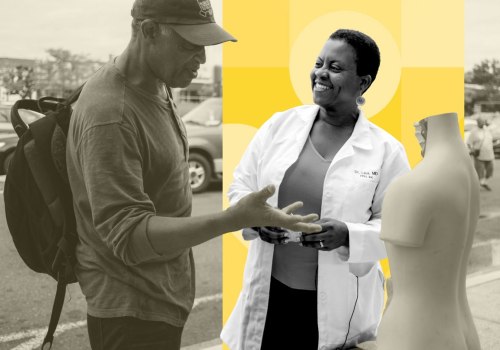
Health disparities represent a significant challenge within the public health landscape, particularly when examining the experiences of Black men. These disparities are not merely statistical anomalies; they reflect deep-rooted inequities that affect the quality of life and longevity of marginalized populations. Understanding these disparities requires a comprehensive look at the social, economic, and environmental factors that contribute to unequal health outcomes. For Black men, these factors often intersect in complex ways, leading to higher rates of chronic diseases, mental health issues, and barriers to accessing quality healthcare.The concept of health inequities encompasses the systematic differences in health status or in the distribution of health resources between different population groups.
These inequities are often driven by social determinants such as income, education, and neighborhood conditions. For instance, Black men frequently face challenges such as lower socioeconomic status and limited access to healthcare facilities, which can exacerbate existing health issues. Furthermore, cultural stigmas surrounding mental health can prevent individuals from seeking necessary support, leading to a cycle of neglect and worsening conditions.As we delve deeper into the implications of these disparities, it becomes evident that addressing them is not just a matter of improving individual health outcomes but also a crucial step towards achieving broader social justice. The experiences of Black men in healthcare settings often highlight systemic biases that can lead to misdiagnosis or inadequate treatment.
By acknowledging these disparities and their root causes, we can begin to formulate effective strategies aimed at promoting health equity and improving the overall well-being of Black men.
The Current State of Health Among Black Men
The health of Black men in the United States is a pressing concern, marked by significant disparities when compared to other demographic groups. Understanding the current state of health among Black men requires a closer examination of various statistics and health outcomes that highlight the challenges faced by this population.According to recent data from the Centers for Disease Control and Prevention (CDC), the average life expectancy for Black men is approximately 72 years, which is significantly lower than the national average of 79 years. This gap in life expectancy can be attributed to a variety of factors, including socioeconomic status, access to healthcare, and prevalent health conditions.Common health issues affecting Black men include:- Cardiovascular Diseases: Black men are at a higher risk for heart disease and hypertension. Studies indicate that nearly 40% of Black men have high blood pressure, which can lead to severe complications if left untreated.
- Diabetes: The prevalence of diabetes among Black men is also concerning, with rates approximately 60% higher than those of white men.
This condition often leads to further complications such as kidney disease and vision loss.
- Cancer: Cancer rates among Black men are disproportionately high, particularly for prostate cancer. The American Cancer Society reports that Black men are 1.7 times more likely to die from prostate cancer compared to their white counterparts.
- Mental Health Issues: Mental health is another critical area where disparities exist. Black men often face stigma around mental health, leading to underdiagnosis and undertreatment of conditions such as depression and anxiety.
For instance, Black men living in low-income neighborhoods may have limited access to healthy food options and safe spaces for physical activity, contributing to higher rates of obesity and related diseases.In conclusion, the current state of health among Black men reflects a complex interplay of biological, social, and economic factors that contribute to poorer health outcomes. Addressing these disparities requires targeted interventions that focus on improving access to healthcare, enhancing community resources, and promoting healthier lifestyles within this demographic.
Factors Contributing to Health Disparities
Health disparities among Black men are deeply rooted in a complex interplay of various factors, primarily categorized as social determinants of health, economic influences, and environmental conditions. Understanding these elements is crucial for developing targeted interventions that can effectively address these disparities.Social Determinants of Health
Social determinants of health encompass the conditions in which individuals are born, grow, live, work, and age. For Black men, these determinants significantly impact their health outcomes.Key factors include:
- Education: Access to quality education is often limited in marginalized communities. Lower educational attainment correlates with poorer health literacy, which can hinder individuals from making informed health decisions.
- Income: Economic stability is a critical determinant of health. Black men frequently face higher unemployment rates and lower wages compared to their white counterparts, leading to increased stress and reduced access to healthcare services.
- Access to Healthcare: Disparities in healthcare access are prevalent. Many Black men live in areas with fewer healthcare facilities or providers who are culturally competent, which can deter them from seeking necessary medical care.
Economic Factors
The economic landscape plays a pivotal role in shaping health outcomes for Black men.Economic instability can lead to:
- Increased Stress Levels: Financial insecurity often results in chronic stress, which is linked to various health issues such as hypertension and mental health disorders.
- Lack of Health Insurance: Many Black men are uninsured or underinsured, limiting their access to preventive care and treatment options.
Environmental Influences
The environments where individuals live also contribute significantly to health disparities. Factors include:- Neighborhood Conditions: Many Black men reside in neighborhoods with limited access to healthy food options and safe recreational spaces, contributing to higher rates of obesity and related diseases.
- Exposure to Pollution: Communities predominantly inhabited by Black individuals often face higher levels of environmental pollutants, which can lead to respiratory issues and other chronic conditions.
Barriers to Healthcare Access for Black Men
Accessing healthcare is a fundamental right, yet for many Black men, this right is often obstructed by a multitude of barriers. These barriers are not merely individual challenges but are deeply rooted in systemic issues that perpetuate health inequities.Systemic Racism
plays a significant role in the healthcare disparities faced by Black men.
Historical injustices, such as segregation and discriminatory policies, have created a legacy of mistrust towards the healthcare system. This mistrust can deter Black men from seeking necessary medical care, fearing discrimination or inadequate treatment. Moreover, systemic racism manifests in the form of biased practices within healthcare institutions, where Black patients may receive different levels of care compared to their white counterparts.Another critical barrier is the lack of cultural competency among healthcare providers. Cultural competency refers to the ability of healthcare professionals to understand and respect diverse cultural backgrounds and practices.
Unfortunately, many providers lack training in this area, leading to misunderstandings and miscommunications with Black male patients. This gap can result in misdiagnoses or inadequate treatment plans that do not consider the unique health needs and cultural contexts of Black men.Additionally, socioeconomic factors significantly impact healthcare access. Many Black men face economic challenges that limit their ability to afford health insurance or out-of-pocket medical expenses. This financial strain can lead to delayed care or avoidance of necessary treatments altogether.
Furthermore, living in underserved communities often means limited access to quality healthcare facilities, which can exacerbate existing health issues.Transportation also poses a significant challenge for many Black men seeking healthcare. In urban areas, public transportation may be unreliable or unsafe, making it difficult for individuals to reach medical appointments. In rural settings, the distance to healthcare providers can be prohibitive, further complicating access.In conclusion, addressing these barriers requires a multifaceted approach that includes policy changes aimed at dismantling systemic racism, enhancing cultural competency training for healthcare providers, and improving socioeconomic conditions for Black men. Only through comprehensive efforts can we hope to achieve equitable healthcare access for all individuals.
Mental Health Challenges Among Black Men
The mental health of Black men is a critical yet often overlooked aspect of overall health disparities.Despite the growing awareness of mental health issues, many Black men face unique challenges that hinder their ability to seek help and receive appropriate care. These challenges are deeply rooted in societal stigma, cultural perceptions, and systemic barriers that contribute to the underutilization of mental health services.One of the most significant barriers is the stigma surrounding mental health within the Black community. Many Black men are socialized to view emotional vulnerability as a weakness, leading to a reluctance to discuss their feelings or seek help. This stigma can manifest in various ways:
- Fear of Judgment: Many Black men worry about being perceived as weak or less masculine if they express their mental health struggles.
- Cultural Expectations: Traditional views on masculinity often discourage emotional expression, making it difficult for individuals to acknowledge their mental health needs.
- Lack of Representation: The mental health workforce lacks diversity, which can make it challenging for Black men to find therapists who understand their cultural context and experiences.
Numerous factors contribute to this issue:
- Economic Barriers: Many Black men may lack insurance or have limited financial resources, making it difficult to afford therapy or counseling services.
- Geographic Limitations: In many areas, especially rural communities, there may be a shortage of mental health professionals, limiting access to care.
- Distrust in Healthcare Systems: Historical injustices and ongoing discrimination in healthcare can lead to a general mistrust of medical professionals among Black men, further discouraging them from seeking help.
Community-Based Interventions and Solutions
Addressing health disparities among Black men requires innovative and effective community-based interventions.These initiatives not only empower individuals but also foster a sense of belonging and support within the community. Below are some successful programs and grassroots initiatives that have made significant strides in improving health outcomes for Black men.
- Men’s Health Network : This organization focuses on raising awareness about health issues affecting men, particularly those in minority communities. Through health fairs, educational workshops, and outreach programs, they provide vital information on preventive care, chronic disease management, and mental health resources.
- Brothers on the Rise : A mentorship program aimed at young Black males, Brothers on the Rise emphasizes the importance of education, self-esteem, and health literacy. By connecting youth with positive role models, the program encourages healthy lifestyle choices and provides resources for navigating healthcare systems.
- Black Men’s Health Initiative : This initiative targets specific health concerns prevalent among Black men, such as hypertension and diabetes.
Through community workshops and screenings, participants receive personalized health assessments and guidance on lifestyle changes to improve their overall well-being.
- Community Health Workers (CHWs) : CHWs play a crucial role in bridging the gap between healthcare providers and underserved populations. By offering culturally competent support, they help Black men navigate healthcare services, understand their health conditions, and adhere to treatment plans.
As we continue to explore ways to reduce health disparities, it is essential to support and expand these community-based efforts.
The Role of Policy in Addressing Health Disparities
Effective health policy is a cornerstone in the fight against health disparities, particularly for marginalized groups such as Black men. These policies not only shape the healthcare landscape but also influence the social determinants of health that significantly impact this demographic. Addressing health disparities requires a multifaceted approach that includes legislation, public health initiatives, and community engagement.One of the most significant legislative efforts aimed at improving health outcomes for Black men is the Affordable Care Act (ACA). Enacted in 2010, the ACA expanded access to healthcare services, particularly for low-income individuals and communities of color.By providing subsidies for insurance premiums and expanding Medicaid eligibility, the ACA has played a crucial role in reducing the uninsured rate among Black men. However, ongoing challenges remain, including state-level resistance to Medicaid expansion and systemic barriers within healthcare systems.In addition to federal legislation, state and local governments have implemented various public health initiatives designed to address specific health issues affecting Black men. For instance, initiatives targeting hypertension and diabetes management have been launched in several urban areas with high populations of Black men. These programs often include:
- Community Health Workers: Trained individuals who provide education, support, and resources to help Black men manage their health conditions effectively.
- Screening Programs: Free or low-cost screenings for chronic diseases that disproportionately affect Black men, such as prostate cancer and cardiovascular diseases.
- Health Education Campaigns: Targeted outreach efforts that focus on preventive care and healthy lifestyle choices tailored to the cultural context of Black communities.
For example, legislation aimed at improving housing quality can reduce exposure to environmental hazards that disproportionately affect Black men.Furthermore, engaging Black men in the policymaking process is vital. Their voices can provide insights into the unique challenges they face and help shape policies that are more effective and culturally relevant. Community-based participatory research (CBPR) is one approach that empowers communities by involving them in the research process, ensuring that their needs are prioritized in public health initiatives.In conclusion, addressing health disparities among Black men requires comprehensive policy efforts that encompass legislation, public health initiatives, and community engagement. By focusing on these areas, we can work towards a more equitable healthcare system that improves access and outcomes for all individuals.
Future Directions for Research and Advocacy
As we look to the future, it is imperative that research and advocacy efforts focused on the health of Black men evolve to address the unique challenges they face.The disparities in health outcomes for Black men are not only a reflection of individual choices but are deeply rooted in systemic issues that require comprehensive strategies for change.
Research Directions
- Understanding Social Determinants: Future research must delve deeper into the social determinants of health that disproportionately affect Black men. This includes examining factors such as socioeconomic status, education, employment opportunities, and access to healthcare. By identifying how these elements interact, we can develop targeted interventions.
- Longitudinal Studies: There is a need for longitudinal studies that track health outcomes over time among Black men. Such studies can provide insights into how various life stages and experiences impact their health, allowing for more tailored public health strategies.
- Community-Based Participatory Research (CBPR): Engaging Black men in the research process through CBPR can ensure that studies are relevant and culturally sensitive.
This approach fosters trust and encourages participation, leading to more accurate data collection and effective solutions.
Advocacy Strategies
- Policy Advocacy: Advocating for policies that address health inequities is crucial. This includes pushing for increased funding for health programs targeting Black men, as well as advocating for policies that improve access to quality healthcare services.
- Public Awareness Campaigns: Raising awareness about the specific health issues faced by Black men can mobilize community support and encourage individuals to seek preventive care. Campaigns should focus on educating both Black men and the broader community about these disparities.
- Collaboration with Community Organizations: Partnering with local organizations that serve Black communities can enhance outreach efforts. These organizations often have established trust and can effectively disseminate information about health resources and services.
Future Trends
The future of research and advocacy in this area will likely see a greater emphasis on technology and data analytics.
Utilizing big data can help identify trends and patterns in health outcomes among Black men, leading to more informed decision-making. Additionally, telehealth services may play a significant role in improving access to care, particularly in underserved areas.In conclusion, addressing the health disparities faced by Black men requires a multifaceted approach that combines rigorous research with effective advocacy. By focusing on these future directions, we can work towards achieving health equity and improving the overall well-being of Black men in our society.
Conclusion: Moving Towards Health Equity for Black Men
In conclusion, addressing health disparities among Black men is not merely a matter of improving individual health outcomes; it is a vital step towards achieving broader health equity within our society. Throughout this article, we have explored the multifaceted nature of health disparities, emphasizing how systemic issues such as socioeconomic status, access to quality healthcare, and cultural stigmas contribute to the unique challenges faced by Black men.To effectively combat these disparities, it is essential to recognize the historical context that has shaped the current health landscape.Structural racism , economic inequality, and inadequate access to healthcare services have all played significant roles in perpetuating health inequities. By understanding these root causes, we can develop targeted interventions that address not only the symptoms but also the underlying factors contributing to poor health outcomes.Moreover, community engagement is crucial in this endeavor. Initiatives that involve Black men in the design and implementation of health programs can lead to more effective solutions tailored to their specific needs. Empowering communities through education and resources fosters a sense of ownership and responsibility towards health, which can significantly improve engagement and outcomes.Furthermore, collaboration among various stakeholders—including healthcare providers, policymakers, and community organizations—is essential for creating a comprehensive approach to health equity.
By working together, we can ensure that resources are allocated effectively and that programs are designed with input from those most affected by health disparities.In summary, moving towards health equity for Black men requires a concerted effort that encompasses understanding historical injustices, engaging communities, and fostering collaboration across sectors. Only through these collective actions can we hope to dismantle the barriers that have long hindered the health and well-being of Black men and, by extension, promote a healthier society for all.